How INDAGATUS Approaches Complex Challenges
Complex challenges are rarely solved by jumping straight to solutions. Committing to a solution before the problem is properly defined is the most common and most expensive failure mode in environmental and product work: effort is directed at a symptom rather than a driver, and the underlying cause remains unaddressed.
INDAGATUS works in a deliberate sequence. Clarify the problem. Understand the system around it. Identify the drivers of risk or underperformance. Then develop practical pathways that can be implemented, tested, and adapted over time.
The Four Stages
1. Assess
Clarifying the challenge, identifying drivers, evaluating risks, and establishing the evidence needed for sound decisions. This stage asks what is actually happening and why, before asking what to do about it.
2. Design
Developing practical, science-led strategies tailored to environmental, operational, stakeholder, and market realities. A technically correct solution that ignores operational or commercial constraints will not be adopted, so those constraints are treated as design inputs rather than afterthoughts.
3. Implement
Supporting delivery through clients, specialists, technology providers, contractors, and implementation partners. INDAGATUS works alongside the parties who execute, rather than handing over a report and withdrawing.
4. Monitor
Measuring outcomes, evaluating performance, and adapting solutions through ongoing learning and evidence. Monitoring is treated as part of the solution, not as reporting overhead, because it is what allows an intervention to be corrected before the correction becomes expensive.
Why the Sequence Matters
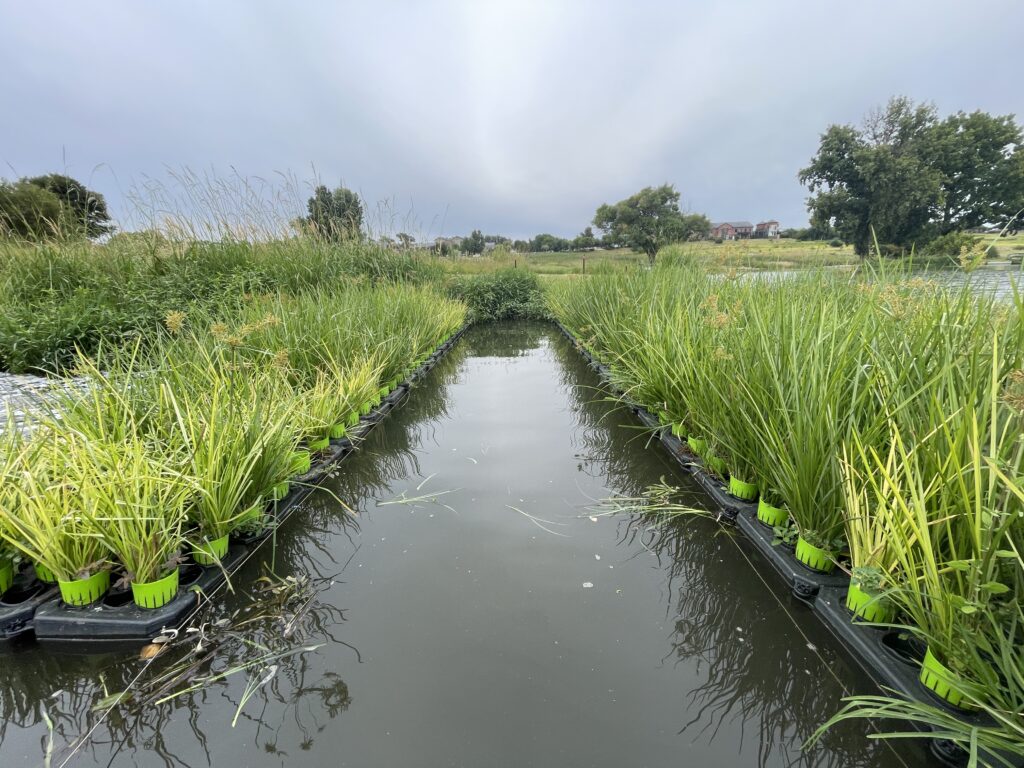
The four stages are not a linear project plan. They form a loop. What monitoring reveals feeds back into assessment, and the design is revised accordingly.
This matters most where systems are biological, variable, and slow to respond. Water bodies, ecosystems, agricultural systems, and vector populations do not behave like engineered assets: they respond with lags, they vary seasonally, and they are influenced by drivers outside the boundary of any single intervention. An approach that assumes a fixed solution will hold over time tends to fail quietly.
Building adaptation into the method from the start is what makes long-term outcomes defensible.
Start With the Challenge
The best starting point is a focused conversation about the problem, what has already been tried, and what outcome matters most.